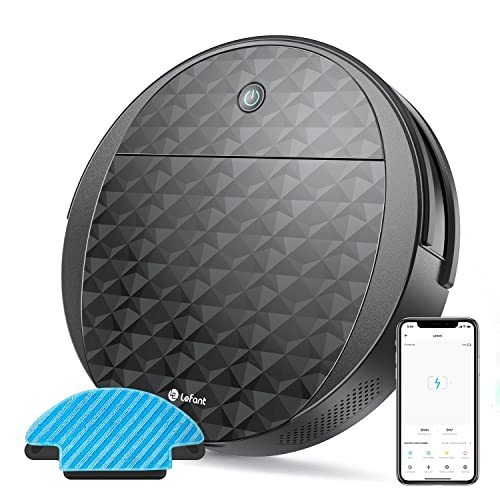
Revolutionizing Home Maintenance: The Rise of Cleaning Robots
In an age where technology continues to influence everyday life, cleaning robots have actually become a considerable innovation in the field of domestic cleaning. These autonomously functioning makers have redefined how families handle cleaning jobs, providing benefit and performance. With their capability to browse spaces, avoid barriers, and run on pre-set schedules, cleaning robots are becoming vital tools for house owners looking to enhance both their time and their living environment.
The Evolution of Cleaning Robots
Cleaning robots have gone through a remarkable change because their beginning. What started as fundamental devices has progressed into advanced devices equipped with innovative features. Below is a table highlighting some essential milestones in the development of cleaning robots.
| Year | Turning point | Description |
|---|---|---|
| 1996 | First Commercial Robot | The first robotic vacuum, Electrolux's Trilobite, was introduced. |
| 2002 | Roomba Launch | iRobot launched the Roomba, making robotic vacuum popular. |
| 2004 | Mapping Technology Introduced | iRobot introduced smarter navigation capabilities, allowing for much better cleaning courses. |
| 2012 | Mobile phone Integration | The intro of mobile app control allowed users to manage robots remotely. |
| 2020 | Advanced Sensors & & AI | Robots started making use of AI for boosted mapping and object acknowledgment. |
Types of Cleaning Robots
As technology has advanced, numerous kinds of cleaning robots have actually surfaced, each designed to cater to different cleaning requirements. A few of these consist of:
Robotic Vacuums
- Created to autonomously vacuum floorings, they typically include sensors to navigate around spaces and go back to their charging stations.
Robotic Mops
- These robots are geared up with mopping performance, making use of water or cleaning services to scrub floors.
Window Cleaning Robots
- Specifically engineered for window cleaning, these devices can climb up vertical surfaces using suction or magnetic systems.
Pool Cleaning Robots
- Developed for in-ground pools, these robots gather debris and even scrub the walls of the pool effectively.
Multi-tasking Robots
- Some modern cleaning robots integrate vacuuming and mopping capabilities, using flexible cleaning solutions.
How Cleaning Robots Work
The core performance of cleaning robots is focused around their ability to browse homes autonomously while performing cleaning jobs. Here's a breakdown of the essential parts that allow them to carry out efficiently:
- Sensors: Most cleaning robots are equipped with sensors that help them find challenges, slopes, and edges, preventing falls and collisions.
- Navigation Technology: Many robots utilize a combination of gyroscopes, accelerometers, and often video cameras or LIDAR for navigation. This allows them to map their environment and clean efficiently without missing out on areas.
- Source of power: Most cleaning robots operate on rechargeable batteries, with lots of efficient in going back to their charging docks when their power runs low.
- Cleaning Mechanisms: Whether through suction for vacuuming or turning brushes for mopping, cleaning robots feature different mechanisms customized for reliable dirt removal.
Advantages of Cleaning Robots
The incorporation of cleaning robots in families presents a number of advantages:
- Time-Saving: Cleaning robots can operate on their own, allowing homeowners to engage in other activities.
- Constant Cleaning: With arranged cleaning times, these robots guarantee consistent upkeep of the home.
- Hard-to-Reach Areas: Cleaning robots can access narrow spaces and corners that conventional cleaning tools might battle with.
- Lowered Allergens: Regular cleaning helps decrease dust and allergens, adding to a much healthier living environment.
Limitations of Cleaning Robots
Regardless of their numerous advantages, cleaning robots likewise present particular limitations that users should think about:
- High Initial Cost: While the price of cleaning robots has actually reduced with time, some advanced models can be reasonably costly.
- Inconsistent Performance: Not all robots perform similarly; some may battle with specific surfaces or dirt types, leading to unsatisfactory outcomes.
- Restricted Capacity: Many robotic vacuums have smaller sized dustbin capabilities, requiring more regular emptying than conventional vacuum.
FAQs about Cleaning Robots
Q: Are cleaning robots worth the investment?A: Cleaning robots can be
a beneficial financial investment for those seeking time-saving services. They can significantly ease the cleaning burden, specifically for busy homes. Q: Can cleaning robots be programmed?A: Yes, lots of cleaning robots include programmable schedules and modes, permitting users to set specific cleaning times and areas. Q: How do I maintain my cleaning robot?A: Regular maintenance includes cleaning the brushes, clearing the dustbin, and sometimes checking for software updates. Best Automatic Vacuum : Are cleaning robots efficient on all surfaces?A: Most robotic vacuums are reliable on difficult floorings and low-pile carpets. Nevertheless, effectiveness might
vary on thick carpets or specific kinds of carpets. Q: Do cleaning robots work well under furniture?A: Cleaning robots are developed to fit under many furniture; nevertheless, the efficiency can depend on the height of the furnishings.
Cleaning robots represent a development in the world of
domestic chores, using a blend of technology, convenience, and efficiency. While they are not a complete replacement for traditional
cleaning approaches, they considerably boost housekeeping abilities. As developments continue, future models of these gadgets are anticipated to become much more intelligent, effective, and easy to use, further incorporating into the smart homes of tomorrow. The contemporary homeowner therefore deals with an interesting future where cleaning robots might take much of the drudgery out of home maintenance, enabling for a cleaner living area with very little effort.